
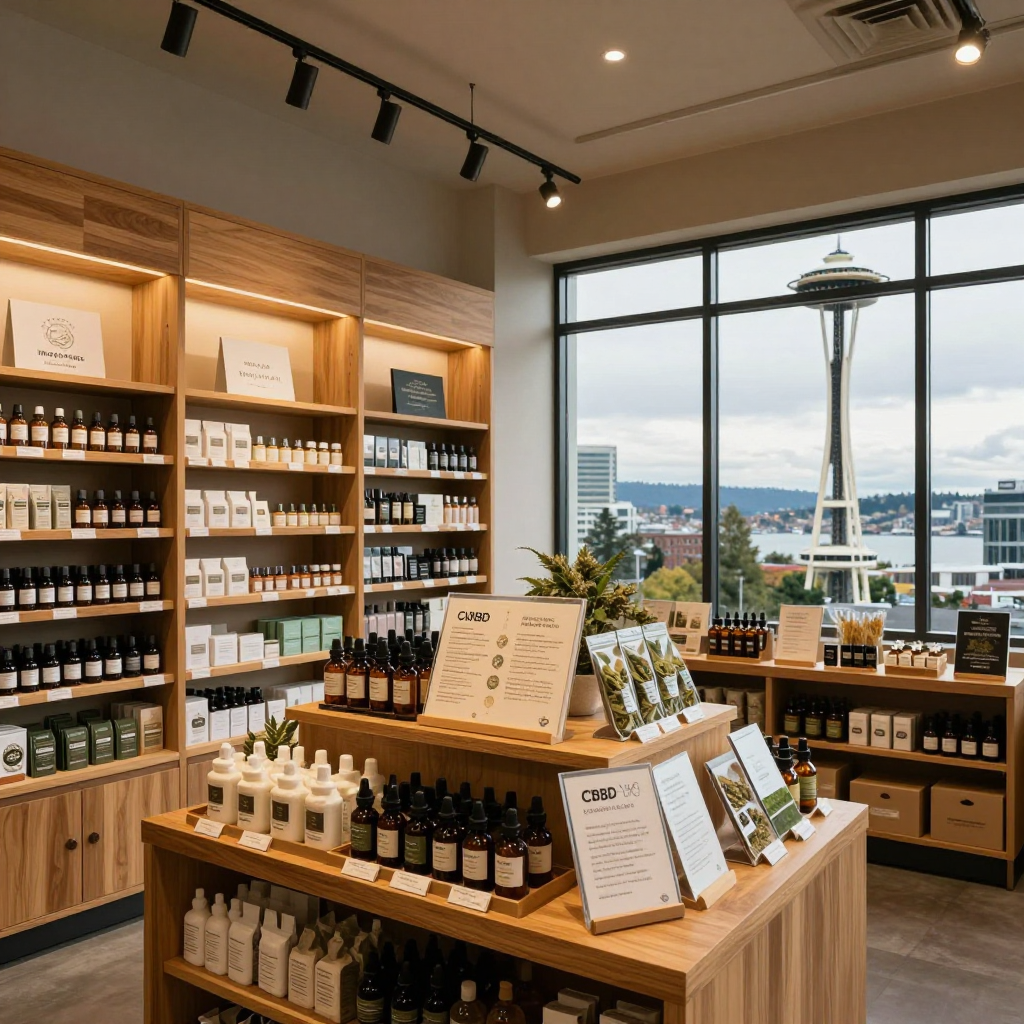
In recent months, Washington State has been at the forefront of cannabis innovation, particularly in the realm of wellness products. As more consumers seek holistic approaches to health and well-being, local producers are stepping up to meet demand with a diverse range of high-quality offerings. From specialized strains designed to enhance relaxation and sleep to sophisticated CBD-infused wellness supplements, these products are not only gaining popularity but also contributing significantly to the state’s economy.
One standout development is the rise of wellness-focused dispensaries in Seattle, which are transforming the way locals engage with cannabis. These locations emphasize education, community engagement, and personalized experiences, ensuring that consumers have access to expert advice and tailored solutions. "We're seeing a shift toward more purpose-driven consumption," noted a spokesperson from a leading Seattle dispensary. "People are increasingly valuing cannabis as part of a broader wellness routine rather than just a recreational activity."
This trend is also supported by emerging research in THC and CBD benefits. Studies conducted across the Pacific Northwest suggest promising results regarding the use of cannabinoids in managing chronic pain, reducing anxiety, and improving overall mental health. Local universities and research institutions are collaborating with industry leaders to explore these opportunities further, paving the way for even more targeted products in the future.
In addition to its health benefits, the cannabis industry continues to create jobs and stimulate economic growth in Washington. According to recent data, the sector supports thousands of local businesses and employs tens of thousands of people across the state. This growth is especially evident in Seattle, where cannabis-related companies are contributing to the city's vibrant startup culture and attracting investment from both local and national investors.
As regulations continue to evolve, Washington State remains committed to fostering a responsible and inclusive cannabis market. The state is working closely with local municipalities to ensure equitable access and opportunities for all residents, including underserved communities. By prioritizing transparency, education, and community involvement, Washington is setting an example for other regions looking to capitalize on the potential of the cannabis industry.
For Seattle residents, this means more choices, better support, and a growing sense of pride in their local cannabis ecosystem. Whether it's through wellness-focused products, educational resources, or community events, the industry is proving to be a driving force behind positive change in the region. As the trend toward cannabis wellness continues to gain momentum, one thing is clear: Washington State is leading the way with creativity, compassion, and a commitment to improving lives.