
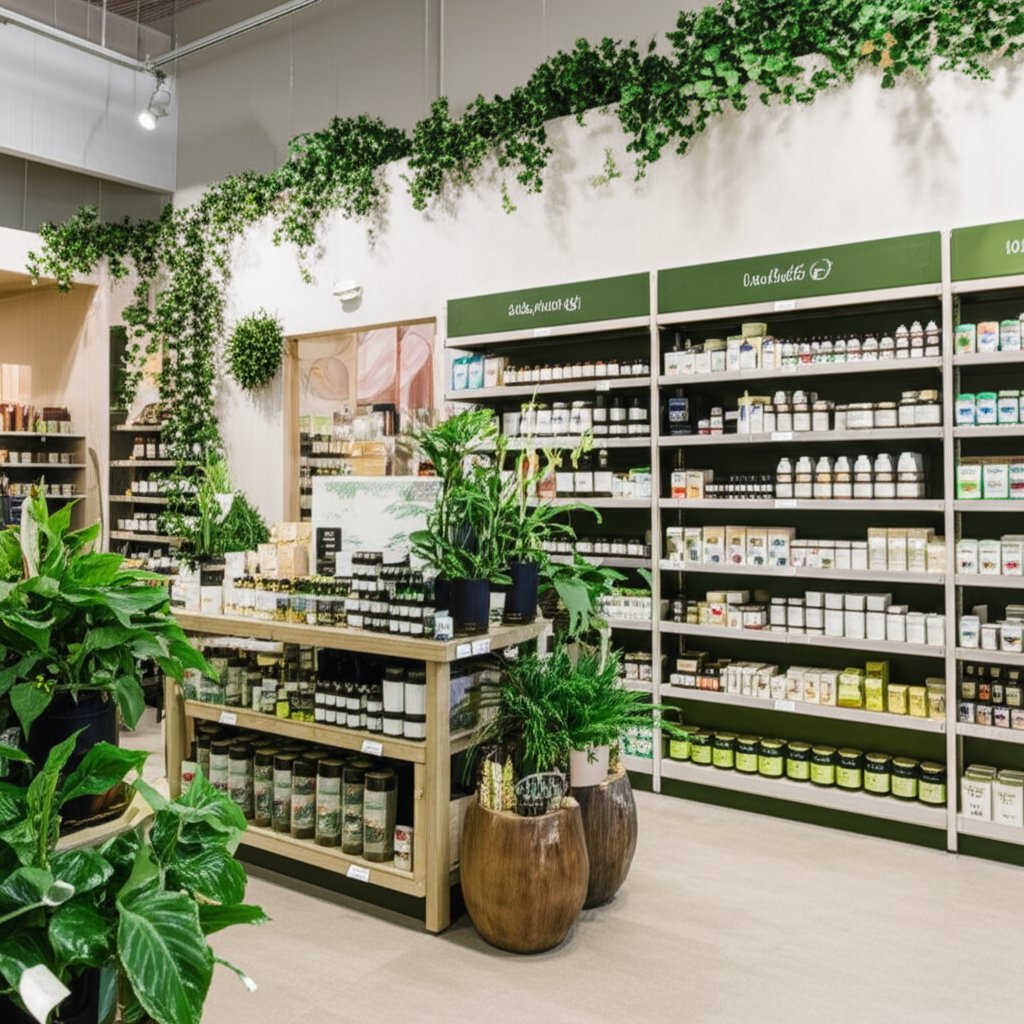
The Washington State cannabis industry continues to evolve, with an increasing focus on wellness and community health. Recent developments highlight the multifaceted potential of cannabis beyond recreational use, emphasizing scientific research and therapeutic applications.
Local researchers at the University of Washington are currently exploring CBD's potential in managing chronic pain and anxiety. Preliminary studies suggest promising results for patients seeking alternative treatment options, particularly for individuals experiencing persistent inflammatory conditions.
Dispensaries across Seattle are responding to growing consumer interest in holistic wellness approaches. Many are now offering educational workshops and consultations, helping patients understand personalized cannabis strategies. These initiatives aim to provide responsible, informed guidance about cannabinoid interactions and potential health benefits.
Regulatory changes continue to support patient access and product safety. The Washington State Liquor and Cannabis Board has implemented more stringent testing protocols, ensuring consumers receive high-quality, professionally manufactured cannabis products. These standards help build public confidence and promote responsible consumption.
Community-driven programs are also emerging, connecting cannabis wellness with social support networks. Some local dispensaries are partnering with veteran support groups and chronic pain management communities, creating inclusive spaces for education and healing.
Emerging product lines reflect a sophisticated understanding of individual wellness needs. Micro-dosing options, targeted formulations for specific health concerns, and plant-based therapeutic products demonstrate the industry's commitment to nuanced, personalized approaches.
As research continues and public perception evolves, Washington State remains at the forefront of responsible cannabis integration. By prioritizing scientific understanding, patient education, and community wellness, the local cannabis ecosystem continues to mature and provide meaningful health alternatives.