
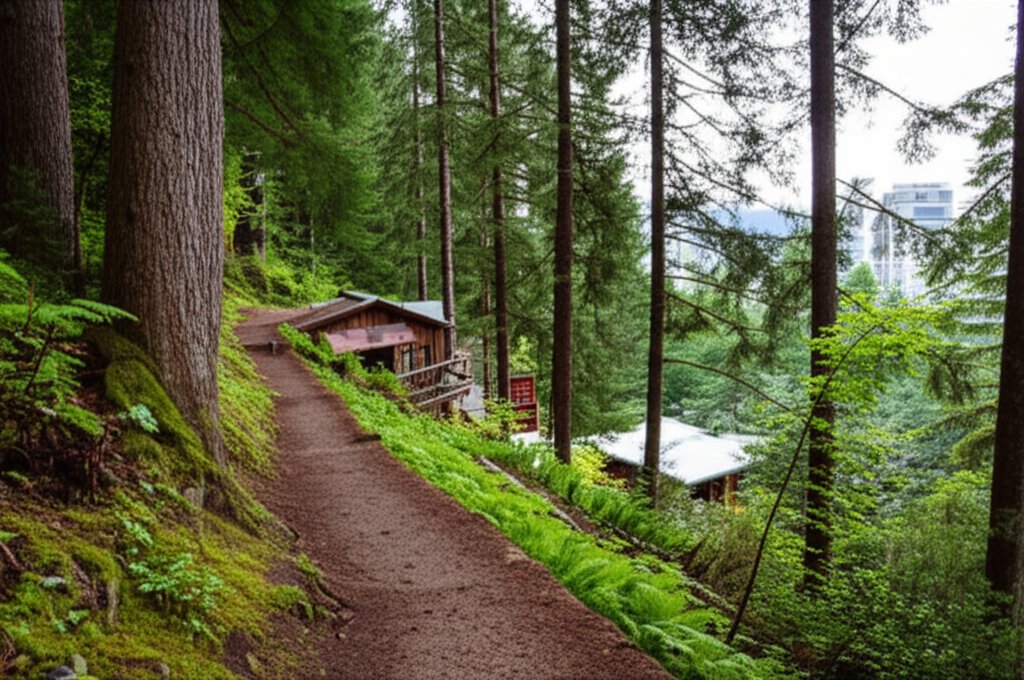
Seattle's urban landscape offers more than picturesque views and green spaces—it's also a hidden treasure trove of edible plants for those willing to learn responsible foraging techniques. Local naturalists and wilderness educators are increasingly offering workshops that teach city dwellers how to safely identify and ethically harvest wild foods growing in parks, green corridors, and community spaces.
Experts like Melissa Chen, who leads urban foraging classes through the Washington Native Plant Society, emphasize education and conservation. 'Understanding our local ecosystem isn't just about collecting food,' Chen explains. 'It's about developing a deeper connection with the natural environment around us.'
Popular forageable plants in the Seattle area include blackberries, nettles, dandelion greens, and various mushroom species. Participants learn critical skills like positive plant identification, sustainable harvesting methods, and understanding local ecological regulations.
These classes appeal to a diverse range of residents—from culinary enthusiasts interested in unique ingredients to wellness practitioners seeking nutritional connections with local landscapes. Community gardens and urban parks have become unexpected classrooms where participants learn to see familiar spaces through a new lens.
Local organizations are also promoting responsible foraging as a form of environmental education and community building. The Northwest Ecological Foraging Network offers guided walks and workshops that blend ecological awareness with practical skills.
As urban residents seek deeper connections with their environment, foraging represents a meaningful intersection of wellness, sustainability, and community engagement. By learning to recognize and respectfully interact with wild edible plants, Seattleites are reimagining their relationship with the natural world.