
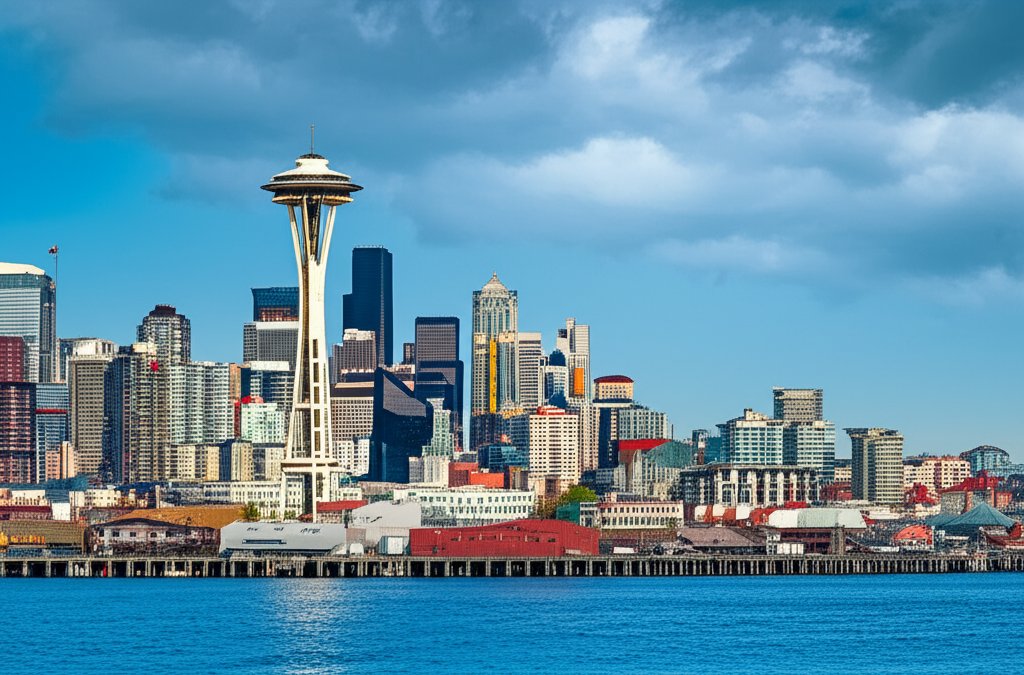
Seattle's urban landscape is undergoing a quiet transformation as community organizations work to repurpose vacant lots into vibrant green spaces that serve multiple community needs. The Green Urban Collective, a local nonprofit, has been leading efforts to convert underutilized urban areas into productive community gardens and wellness spaces.
Over the past two years, the organization has successfully converted six previously unused city lots in neighborhoods like Capitol Hill, Central District, and Beacon Hill into thriving community gardens. These spaces not only provide opportunities for local residents to grow fresh produce but also create gathering spaces that strengthen neighborhood connections.
'Our goal is to demonstrate how urban spaces can be reimagined to support community health and sustainability,' says Maria Rodriguez, executive director of the Green Urban Collective. 'Each garden represents an opportunity for neighbors to connect, learn about sustainable agriculture, and improve local food access.'
The gardens feature a mix of vegetable plots, native plant sections, and communal areas designed to encourage interaction. Some locations have integrated wellness zones where community members can practice yoga, meditation, or participate in gardening workshops.
City officials have been supportive of these initiatives, recognizing the multiple benefits these green spaces provide. They offer environmental advantages like improved air quality, reduced urban heat island effects, and increased biodiversity while simultaneously addressing community needs for accessible green spaces.
The nonprofit is currently working with the Seattle Department of Neighborhoods to identify additional vacant lots that could be transformed. Future plans include expanding educational programs about sustainable urban agriculture and creating more opportunities for community engagement.
These community gardens represent more than just green spaces—they are living examples of how collaborative urban design can create resilient, connected neighborhoods that prioritize wellness, sustainability, and community connection.