
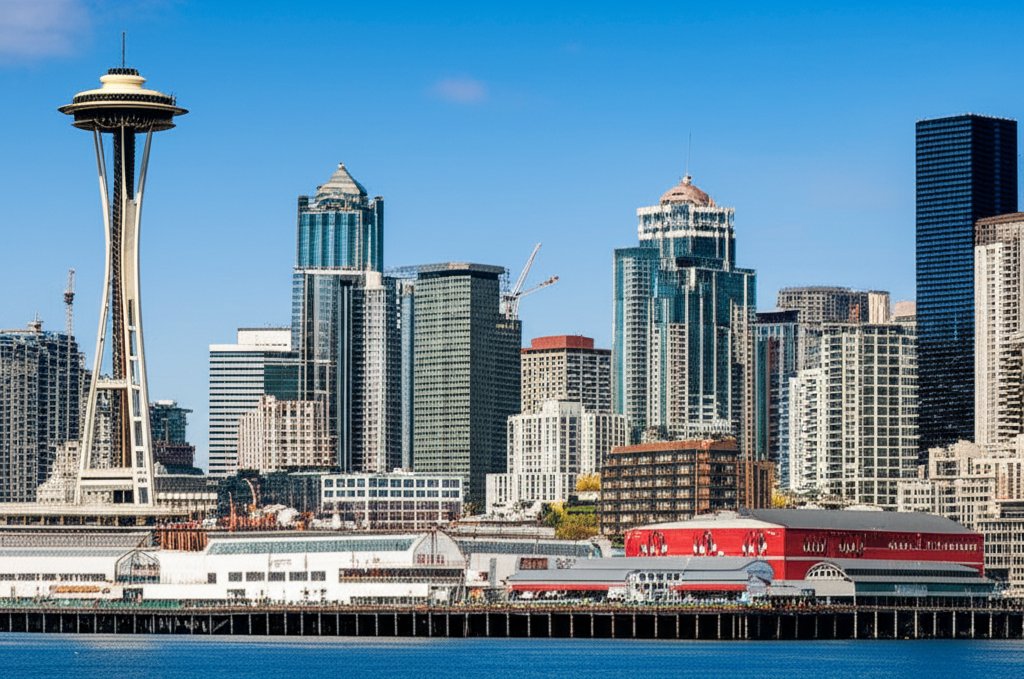
Seattle's urban landscape is experiencing a green revolution as neighborhood-led agricultural projects continue to flourish, turning underutilized spaces into productive community gardens. These innovative initiatives are not just growing fresh produce, but cultivating stronger community bonds and promoting sustainable urban development.
In neighborhoods like Columbia City and Capitol Hill, resident-led gardening collectives are converting unused lots and public spaces into thriving green spaces. These community gardens serve multiple purposes: providing fresh, locally grown produce, creating spaces for social interaction, and teaching sustainable agricultural techniques.
Local organizations like Seattle Neighborhood Farmers Network have been instrumental in supporting these grassroots efforts. They offer resources, workshops, and technical assistance to help community members transform vacant areas into productive gardens. These programs particularly focus on supporting low-income neighborhoods and promoting food equity.
The City of Seattle has been increasingly supportive of these urban agriculture initiatives. Recent zoning modifications have made it easier for communities to establish and maintain urban gardens, recognizing their significant social and environmental benefits. City planners view these projects as critical components of urban resilience and community wellness strategies.
Participants report numerous benefits beyond food production. Gardens provide therapeutic green spaces, opportunities for intergenerational learning, and a sense of collective purpose. They also contribute to urban biodiversity and help mitigate climate change by reducing transportation emissions associated with food distribution.
As these community gardens continue to expand, they represent a promising model of collaborative urban development—one that prioritizes community needs, environmental sustainability, and collective well-being. Seattle's urban farming movement demonstrates how grassroots initiatives can transform cityscapes into more livable, connected, and resilient environments.