
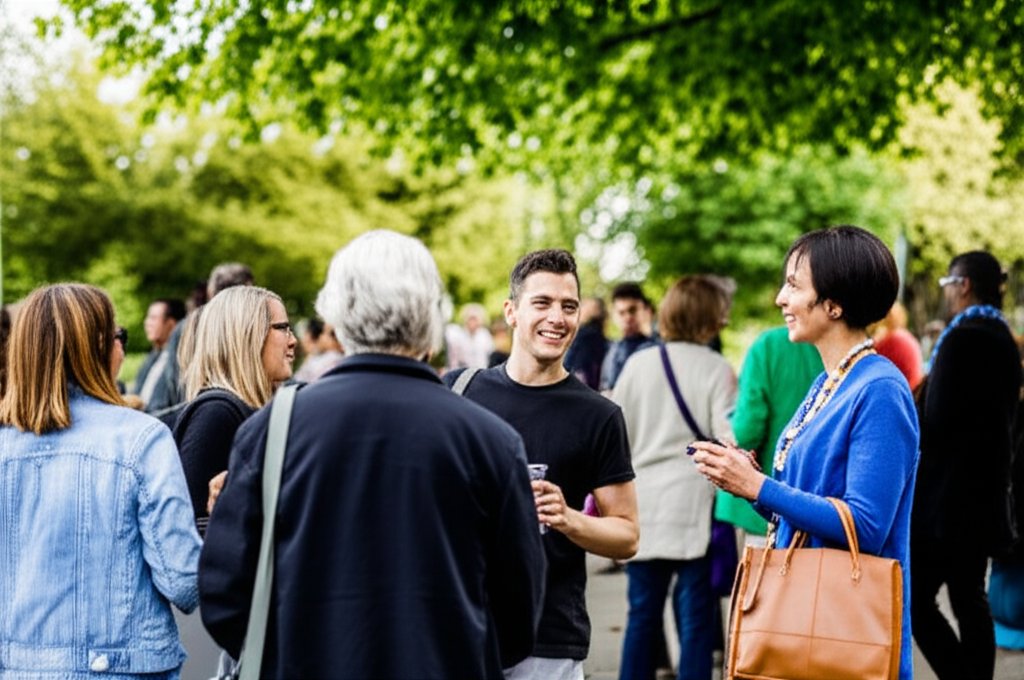
In a vibrant demonstration of community resilience, the Green City Collaborative is revolutionizing urban gardening in Seattle by transforming underutilized spaces into thriving community gardens. These initiatives not only beautify neighborhoods but also provide critical opportunities for local residents to engage in sustainable agriculture and wellness practices.
The organization's current project focuses on converting vacant lots in the Central District and Columbia City into productive green spaces. By partnering with local property owners, neighborhood associations, and municipal authorities, Green City Collaborative has successfully established multiple community gardens that serve as educational and therapeutic environments.
"Our goal is to create spaces that nurture both people and plants," says Maria Rodriguez, the nonprofit's program director. "These gardens aren't just about growing vegetables; they're about growing community connections and individual empowerment."
The gardens incorporate principles of inclusive design, ensuring accessibility for residents of all ages and mobility levels. Raised beds, wide pathways, and adaptive gardening tools make participation possible for seniors, individuals with disabilities, and families with children.
Moreover, the program emphasizes education, offering free workshops on sustainable gardening techniques, composting, and holistic wellness. Participants learn about organic cultivation methods, native plant species, and environmental stewardship.
Through strategic collaborations with local cannabis wellness experts, the gardens also integrate educational components about plant-based wellness, herbal cultivation, and sustainable living practices. These workshops provide holistic insights into how urban gardening intersects with personal and environmental health.
As Seattle continues to grow and evolve, initiatives like Green City Collaborative demonstrate the transformative power of community-driven environmental projects. By reimagining urban spaces as collaborative, nurturing environments, these programs are cultivating more than just plants—they're growing stronger, more connected neighborhoods.