
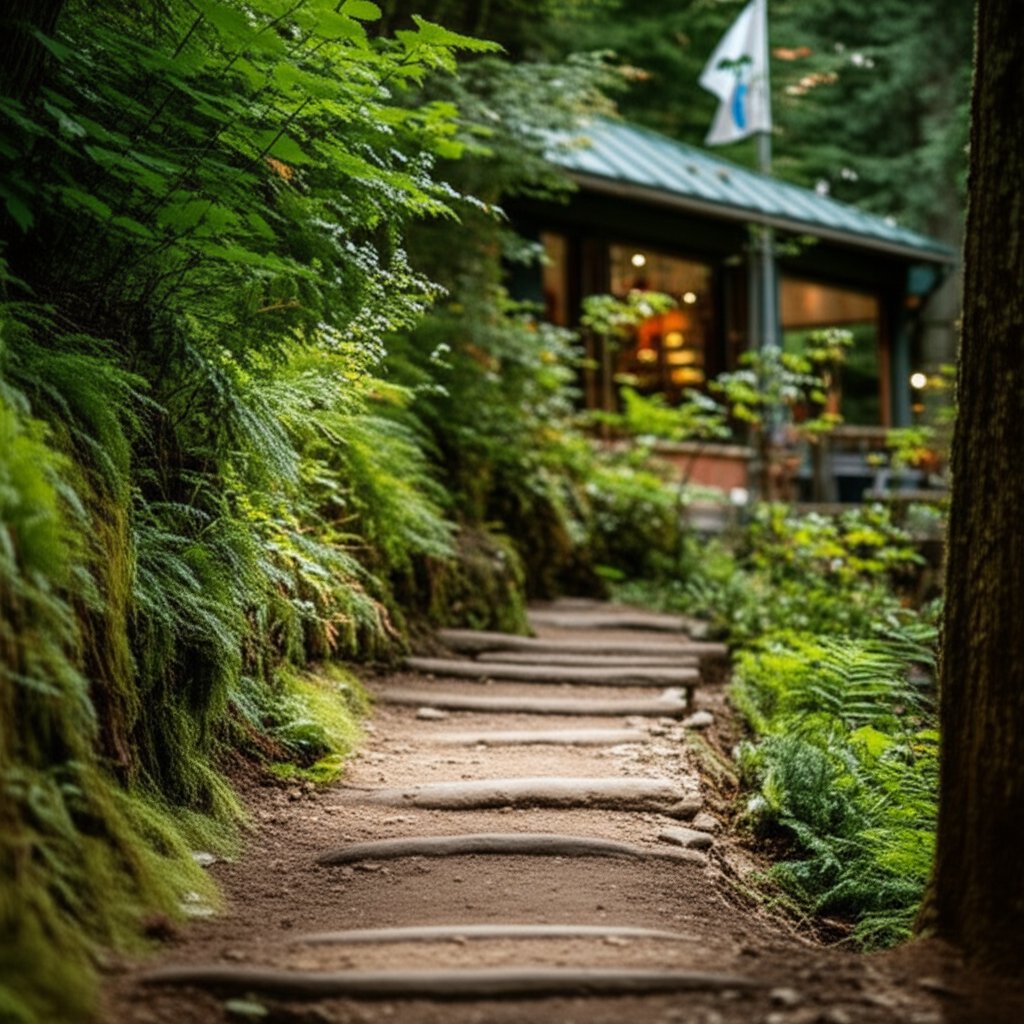
In a city renowned for its lush environmental landscape, Seattle's urban green spaces are emerging as transformative wellness destinations that go beyond traditional park experiences. From rooftop community gardens to thoughtfully designed neighborhood parks, these areas are becoming critical infrastructure for holistic well-being.
Parks like the Beacon Food Forest in Columbia City exemplify this trend, offering more than recreational space. This seven-acre permaculture project allows community members to cultivate shared organic produce, creating opportunities for connection, education, and sustainable living. Visitors can learn about local agriculture, participate in collaborative gardening, and engage with neighbors in meaningful ways.
Urban wellness experts suggest these spaces provide essential mental health benefits. The combination of green environments, light physical activity, and community interaction supports stress reduction and overall psychological wellness. Seattle Parks and Recreation has been intentional about designing spaces that encourage mindful movement, social connection, and environmental interaction.
Neighborhood initiatives like the Capitol Hill Reservoir Park demonstrate innovative urban design that prioritizes community wellness. These spaces integrate natural elements, walking paths, and gathering areas that support both individual and collective health practices. They represent a holistic approach to urban planning that recognizes green spaces as vital components of community infrastructure.
The emergence of these wellness-focused urban environments reflects Seattle's progressive approach to community design. By reimagining public spaces as collaborative, healing landscapes, the city continues to lead in creating supportive, interconnected urban ecosystems that prioritize resident well-being.
As Seattle evolves, these green spaces will likely become increasingly central to how residents experience urban living—not just as recreational areas, but as dynamic, nurturing environments that support comprehensive personal and community wellness.