
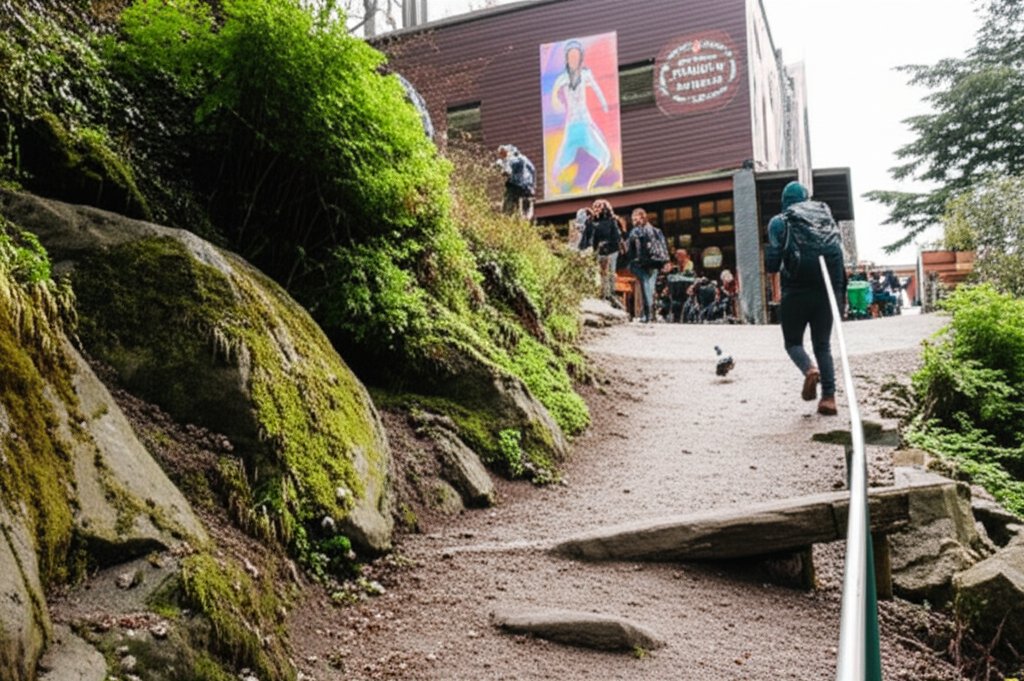
Seattle's urban gardening movement is flourishing, creating innovative spaces that blend community connection, wellness, and sustainable living. Community gardens throughout neighborhoods like Capitol Hill, Beacon Hill, and the Central District are demonstrating how green spaces can foster social connections and improve local resilience.
These gardens are more than just plots of land – they represent collaborative efforts where residents come together to grow fresh produce, share agricultural knowledge, and build stronger neighborhood bonds. Participants range from young professionals to retired community members, reflecting Seattle's diverse demographic.
The Seattle Department of Neighborhoods has been supporting these initiatives through grant programs and community resources. Experts suggest urban gardening provides multiple wellness benefits, including stress reduction, physical exercise, and improved nutrition through locally grown organic produce.
Particularly notable are community gardens that integrate educational components, offering workshops on sustainable agriculture, composting techniques, and holistic wellness practices. These programs help residents develop practical skills while creating supportive social networks.
Neighborhood gardens are also addressing food security challenges, providing fresh vegetables and herbs to local residents. Some gardens collaborate with nearby food banks and community centers to distribute surplus produce, ensuring nutritional resources reach those most in need.
As urban agriculture continues to grow in Seattle, these gardens represent more than agricultural spaces – they are living examples of community resilience, wellness, and collaborative potential. They demonstrate how small, localized efforts can create meaningful positive change in urban environments.
Seattle residents interested in participating can contact local neighborhood associations or visit the city's community gardening resources for more information about getting involved in these transformative green spaces.