
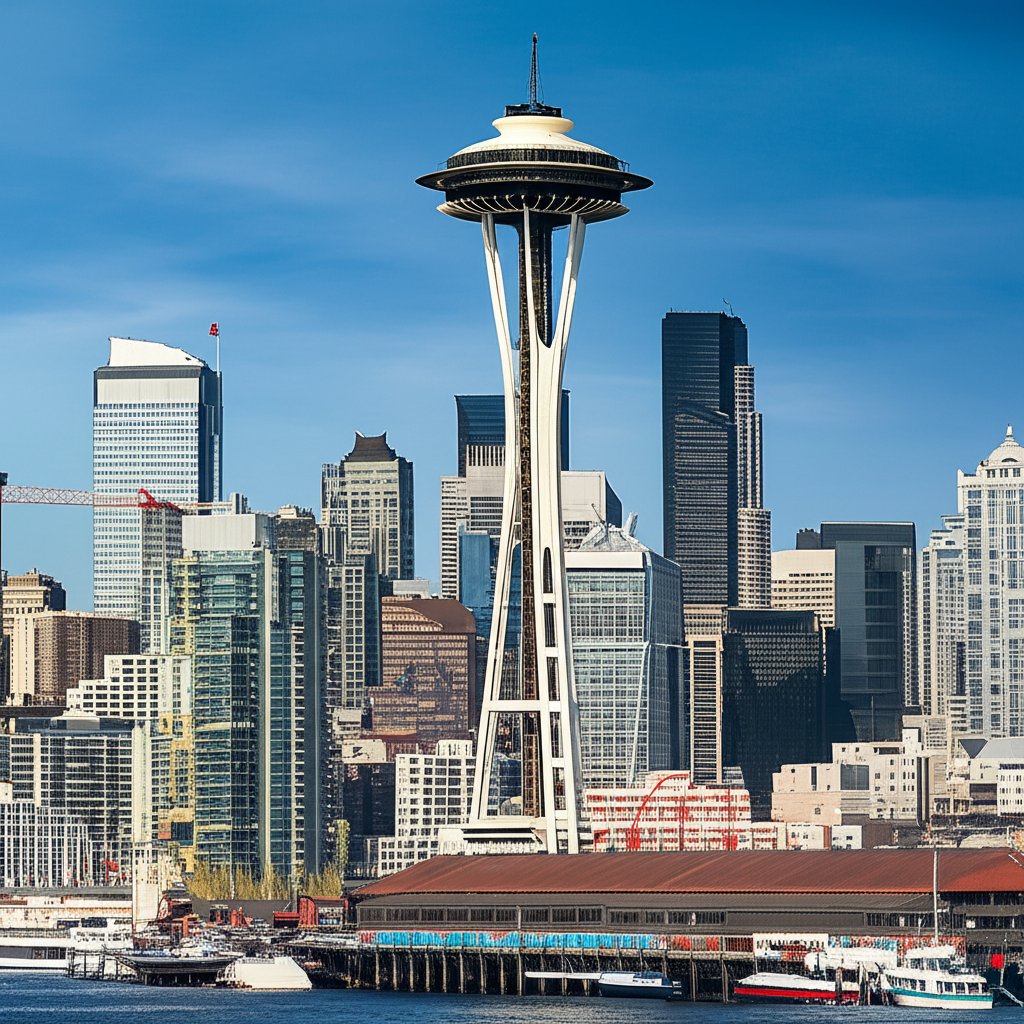
The City of Seattle is taking innovative steps to enhance urban green spaces through a collaborative community garden program that connects residents with sustainable agriculture opportunities. Parks and Recreation officials announced the initiative will convert approximately 15 vacant city-owned lots into community gardening zones over the next two years.
Under the new program, neighborhood associations and community groups can apply for plot allocation, with priority given to proposals that demonstrate strong collaborative potential and commitment to sustainable gardening practices. Each selected site will receive initial infrastructure support, including soil preparation, basic irrigation systems, and educational resources about organic cultivation techniques.
'These gardens represent more than just growing food – they're about building community connections and promoting local resilience,' said Maria Rodriguez, urban agriculture coordinator for Seattle Parks and Recreation. The initiative specifically targets neighborhoods with limited access to fresh produce, aiming to create equitable food distribution networks.
Gardens will incorporate sustainable design principles, including native plant integration, water conservation methods, and composting stations. Local environmental experts have praised the program's holistic approach to urban landscape transformation, noting that community gardens can significantly improve neighborhood ecosystem health and resident engagement.
Interested community members can attend upcoming information sessions at local community centers to learn about garden site locations, application processes, and potential volunteer opportunities. The first round of garden site selections is expected to be announced this coming spring, with initial planting scheduled for early summer.
This innovative approach reflects Seattle's ongoing commitment to sustainable urban development, green infrastructure, and community-driven environmental solutions. By transforming unused spaces into productive, shared gardens, the city continues to demonstrate leadership in creative urban planning and environmental stewardship.