
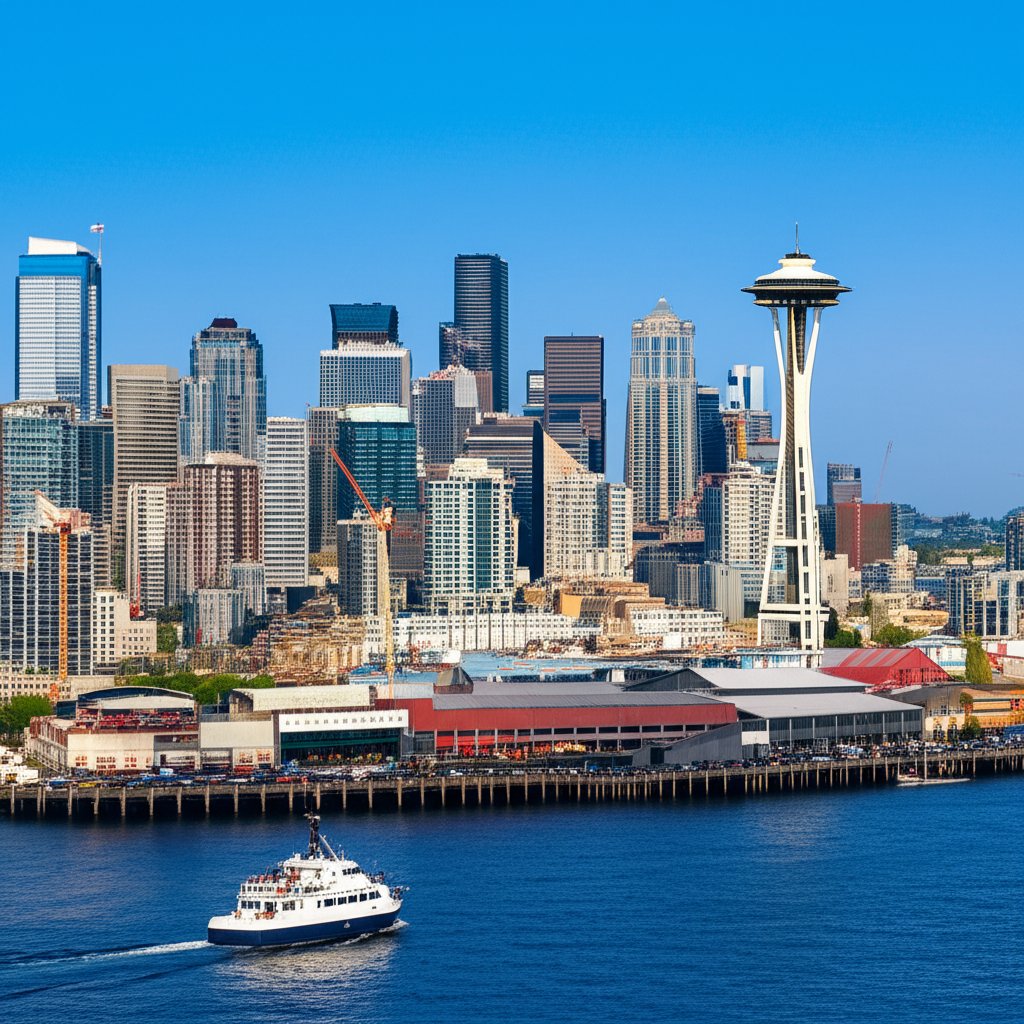
Seattle Parks and Recreation is pioneering a groundbreaking urban wellness initiative that integrates cannabis education, wellness resources, and community green spaces across multiple neighborhoods. The program, developed in collaboration with local health experts and community advocates, will create designated areas designed to support mental and physical well-being.
The first phase of the Green Spaces Initiative will focus on transforming underutilized urban lots in Capitol Hill, Central District, and West Seattle into therapeutic garden environments. These spaces will feature educational signage about cannabis wellness, meditation areas, native plant landscaping, and designated zones for community gatherings.
'Our goal is to create inclusive, healing environments that support community health and connection,' said Parks Department spokesperson Elena Rodriguez. 'These gardens represent more than just physical spaces – they're platforms for education, wellness, and mutual understanding.'
Key features of the proposed gardens include sensory plant sections highlighting therapeutic botanicals, quiet reflection zones, and community workshop areas. Local herbalists and wellness practitioners will be invited to host educational programs about holistic health approaches, emphasizing responsible cannabis use and integration with overall wellness strategies.
The initiative aligns with Seattle's progressive approach to community health, recognizing cannabis as part of a broader wellness ecosystem. Funding for the project comes from a combination of municipal parks budget and community health grants, demonstrating a collaborative approach to urban wellness design.
Community feedback sessions are planned for early summer, inviting residents to contribute design ideas and share perspectives on the proposed green spaces. Interested community members can learn more through the Seattle Parks and Recreation website or local neighborhood association meetings.
This innovative program represents another example of Seattle's commitment to creative, compassionate urban development that prioritizes community well-being and holistic health approaches.