
In the heart of Seattle, community heroes are stepping up to enhance the wellness of their neighborhoods. A multitude of local nonprofits and volunteers are collaborating to implement programs that prioritize health, connection, and support among residents, particularly in the wake of the challenges posed by the pandemic.
Organizations like the Seattle Community Wellness Coalition have been pivotal in creating platforms for residents to engage in wellness activities. Their initiatives include community gardening, yoga in the park, and health workshops that educate participants on nutrition and mental health. These programs not only provide practical skills but also foster a sense of belonging among participants, which experts suggest is crucial for overall well-being.
Volunteer opportunities abound in Seattle, with residents from diverse backgrounds coming together to support local health initiatives. For instance, programs aimed at providing free healthy meals to families in need have seen an influx of volunteers eager to lend a hand. The sense of community that arises from these efforts is palpable, as neighbors unite to ensure that everyone has access to nutritious food and wellness resources.
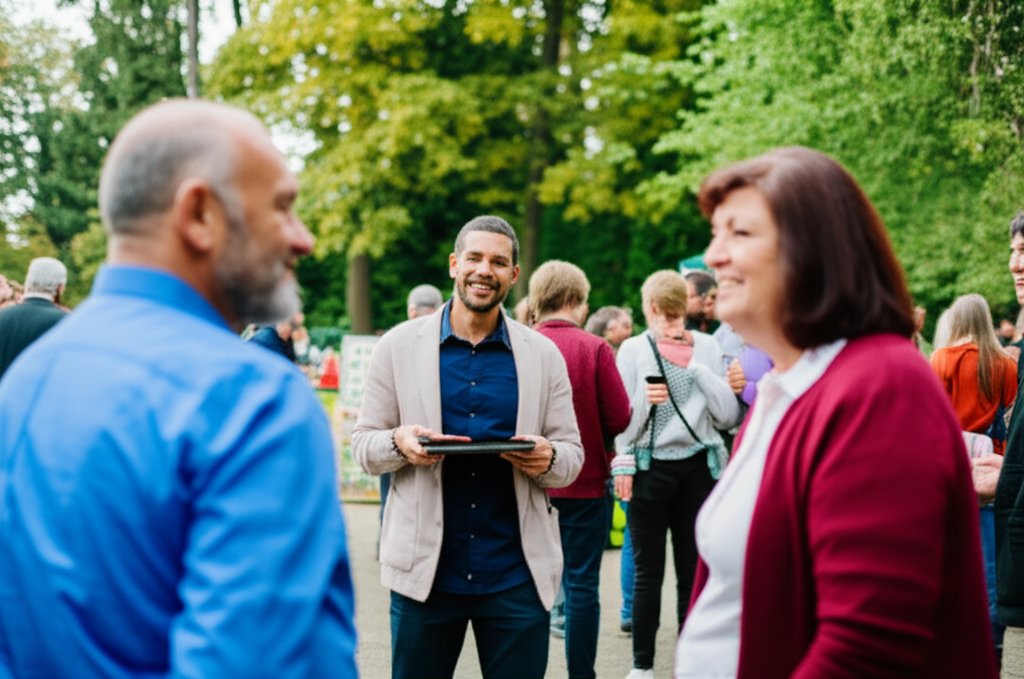
Neighborhood events also play a vital role in promoting social cohesion and well-being. Monthly health fairs bring together local health providers, wellness coaches, and holistic practitioners who offer free services and information to the public. These gatherings create an inviting atmosphere where residents can learn about various wellness practices, including the benefits of cannabis in holistic health, which is becoming an increasingly accepted part of wellness conversations in Seattle.
As cannabis wellness continues to gain traction, local organizations are exploring ways to incorporate educational programs about responsible cannabis use into their wellness initiatives. Experts suggest that this could help demystify cannabis, especially for those who might be hesitant to explore its benefits. By fostering open discussions about cannabis and its role in wellness, these community efforts could empower individuals to make informed decisions regarding their health.
Seattle's community heroes exemplify the power of collaboration and compassion in promoting wellness. Their ongoing efforts not only address immediate health concerns but also lay the groundwork for a more resilient and connected community. As these initiatives expand, they may inspire other cities to adopt similar models, showcasing the potential for positive social impact through community engagement and support.
In a world often focused on challenges, Seattle's community-driven wellness initiatives provide a refreshing reminder of the strength found in unity and the collective desire to uplift each other. With every volunteer hour and neighborhood event, these heroes are making strides toward a healthier, happier city for all.