
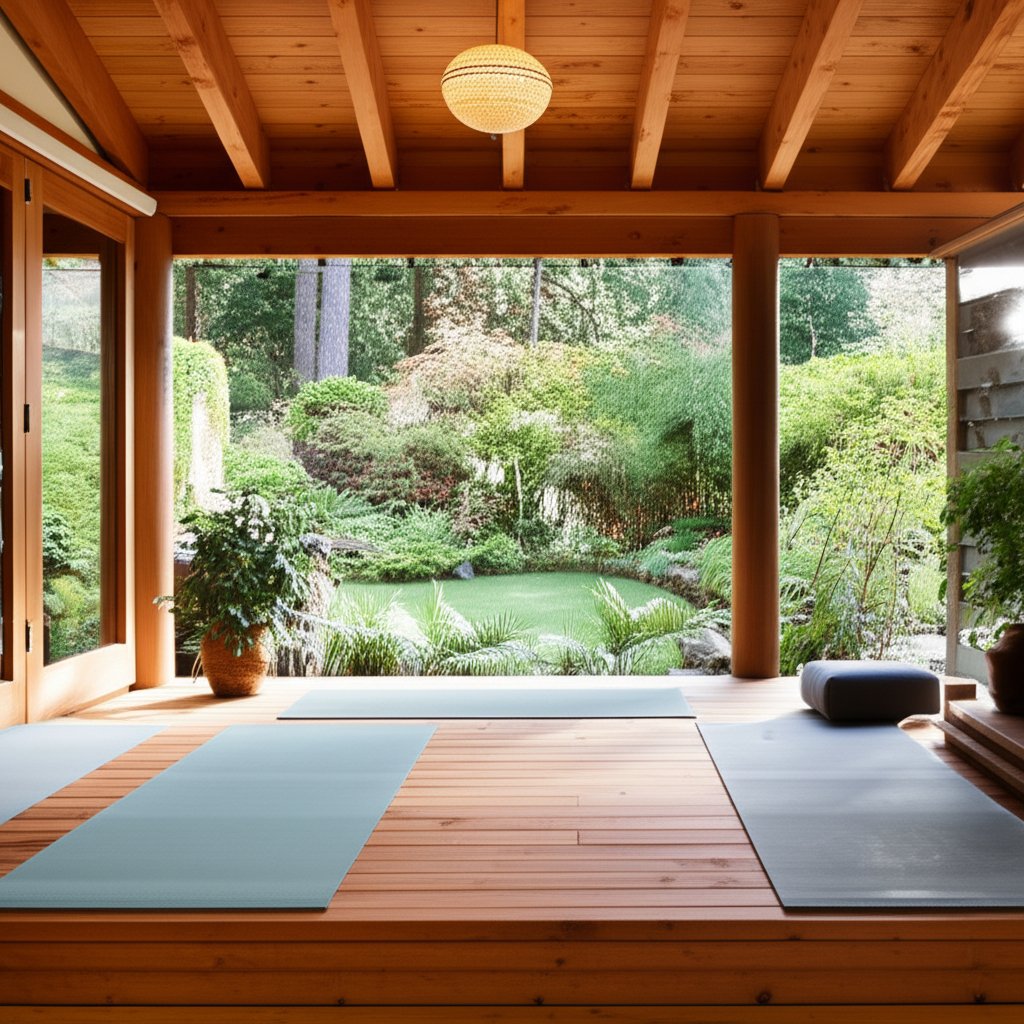
Seattle's wellness landscape is experiencing a transformative shift towards more holistic, community-centered approaches to mental and physical health. Meditation and mindfulness practices are no longer niche activities but mainstream strategies for managing stress, improving mental clarity, and promoting overall well-being.
Local wellness centers like the Seattle Mindfulness Institute are pioneering accessible meditation programs designed to meet the diverse needs of urban professionals, students, and community members. These programs range from lunchtime guided sessions to weekend wellness retreats, emphasizing techniques that can be integrated into busy lifestyles.
Experts suggest that consistent mindfulness practice can offer significant benefits, including reduced anxiety, improved emotional regulation, and enhanced cognitive function. Dr. Elena Rodriguez, a local integrative health specialist, notes that even short, daily meditation sessions can create meaningful neurological changes.
Particularly innovative are community-based initiatives that make wellness practices more inclusive. The Capitol Hill Wellness Collective, for example, offers sliding-scale meditation classes and free community sessions in public parks, ensuring that stress-reduction techniques are accessible to all income levels.
Technology is also playing a role in Seattle's mindfulness evolution. Local app developers are creating location-specific guided meditation experiences that incorporate elements of Pacific Northwest nature, allowing users to connect with local landscapes while practicing mindfulness.
As Seattle continues to be a hub of innovation and wellness, these mindfulness trends reflect a broader cultural shift towards proactive, holistic approaches to mental and physical health. By prioritizing community, accessibility, and personalized wellness strategies, the city is creating a model for urban well-being that could inspire communities nationwide.