
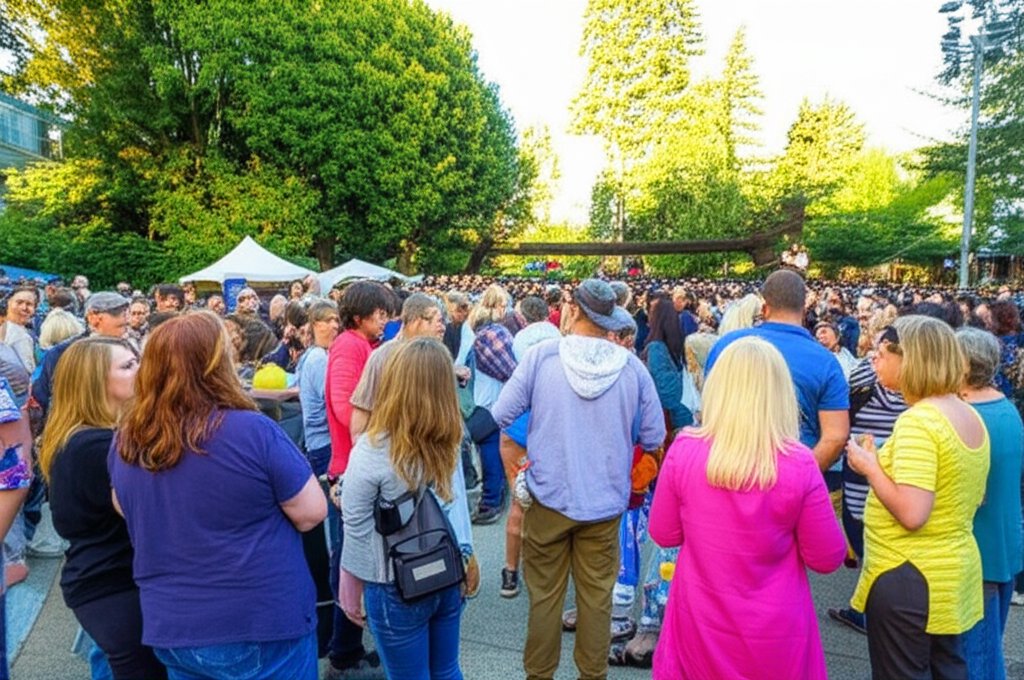
In recent months, Seattle has seen a significant rise in community-driven wellness initiatives, thanks in part to the dedicated efforts of local nonprofits. These organizations are not only addressing health-related issues but are also fostering a sense of togetherness among residents, creating an environment where community members can thrive together.
One notable example is the collaboration between various local nonprofits to launch a series of wellness fairs across the city. These events aim to provide Seattle residents with access to health resources, including mental health support, nutritional guidance, and fitness activities. By bringing together different organizations, the fairs have become a hub for knowledge-sharing and community engagement.
Moreover, the connection between cannabis and wellness has gained traction in Seattle, where advocates emphasize the therapeutic benefits of cannabis. Local nonprofits are beginning to incorporate educational sessions on responsible cannabis use as part of their wellness programs, recognizing the growing interest in cannabis as a means of self-care and healing. Experts suggest that integrating cannabis education into wellness initiatives could provide residents with valuable insights into how to incorporate these resources into their overall health strategies.
The impact of these community-driven efforts extends beyond health; they also contribute to building stronger neighborhoods. Volunteer opportunities abound, with locals encouraged to participate in organizing events, sharing resources, and providing support to those in need. This spirit of volunteerism not only enriches the lives of participants but also strengthens community bonds.
Several Seattle neighborhoods have embraced this trend, hosting regular gatherings that promote social wellness. From yoga in the park to community potlucks featuring locally-sourced foods, these events are designed to bring people together, creating spaces for connection and camaraderie. As residents gather to share experiences and knowledge, they are helping to create a more resilient and supportive community.
As Seattle continues to navigate the complexities of modern life, the role of nonprofits and community organizations remains vital. Their commitment to fostering wellness, promoting social connections, and educating residents about holistic health practices, including cannabis, is paving the way for a healthier, more engaged community. The collective efforts of these organizations could inspire other cities to adopt similar initiatives, emphasizing the importance of community and wellness in urban settings. With a focus on positive impact and collaboration, Seattle is setting an example for communities across the nation.