
In a groundbreaking effort to revitalize urban landscapes, the Seattle Urban Agriculture Initiative (SUAI) is transforming vacant city lots into community wellness gardens that integrate cannabis-friendly plant cultivation and neighborhood collaboration.
The innovative program, which launched this spring in the Central District, focuses on creating shared green spaces that promote holistic health, environmental sustainability, and community connection. SUAI founder Maria Rodriguez explains that these gardens are designed to be more than just agricultural spaces: they're healing environments that bring neighbors together.
'Our goal is to demonstrate how urban agriculture can serve multiple community needs,' Rodriguez says. 'We're teaching sustainable gardening techniques, providing access to therapeutic plant knowledge, and creating beautiful shared spaces where people can learn and grow together.'
Each garden site includes designated areas for educational workshops, meditation spaces, and carefully curated plant sections featuring hemp, medicinal herbs, and wellness-oriented cannabis cultivars. Local volunteers have been instrumental in preparing and maintaining these spaces, with over 50 community members participating in the initial phase.
The project has already received support from local wellness organizations and municipal urban planning departments. Seattle Parks and Recreation has expressed interest in potentially expanding similar models to other neighborhoods, recognizing the potential for community-driven green space development.
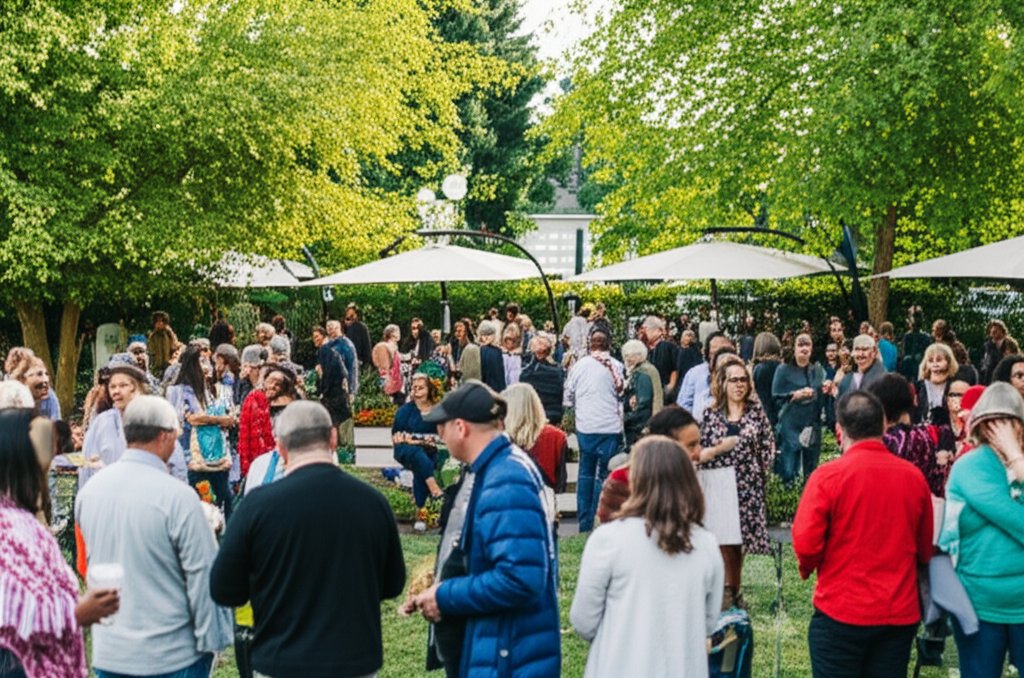
Participants range from young professionals to retired community members, reflecting a diverse cross-section of Seattle's population. Many participants report increased neighborhood connections and a sense of shared purpose through their gardening involvement.
As urban agriculture continues to evolve in the Pacific Northwest, initiatives like SUAI demonstrate how innovative approaches can transform underutilized spaces into vibrant community resources that prioritize wellness, education, and collective engagement.