
In the heart of Seattle's Central District, a quiet revolution is growing—literally—through the dedicated efforts of Green Thumb Gardens, a nonprofit organization committed to transforming urban spaces and empowering young community members through agricultural education.
Founded in 2019, Green Thumb Gardens has successfully converted three previously unused city lots into thriving community gardens that serve as outdoor classrooms and social gathering spaces. The organization focuses on providing hands-on learning experiences for teenagers and young adults, teaching sustainable farming techniques, nutrition awareness, and environmental stewardship.
"Our goal is more than just growing vegetables," says program director Maria Rodriguez. "We're cultivating leadership skills, promoting wellness, and creating connections within neighborhoods that might otherwise feel disconnected."
The program specifically targets youth from economically challenged backgrounds, offering paid internships and educational workshops that introduce participants to principles of urban agriculture, holistic wellness, and community engagement. Participants learn everything from soil preparation and organic cultivation methods to nutrition planning and small business entrepreneurship.
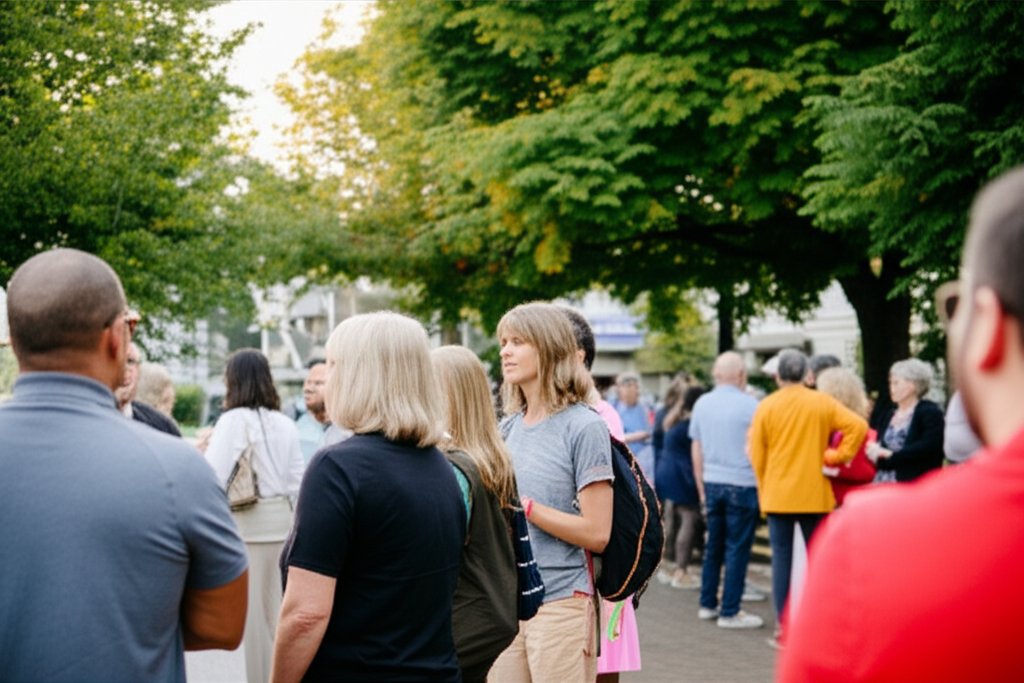
During the summer months, Green Thumb Gardens hosts weekly community harvest events where local residents can purchase fresh, locally grown produce at affordable prices. These events not only provide healthy food options but also create opportunities for intergenerational interaction and neighborhood networking.
Supported by grants from local foundations and corporate sponsorships, the organization has expanded its impact, reaching over 150 young participants annually. Each garden site becomes a living classroom where environmental education meets practical skill development.
As Seattle continues to evolve, Green Thumb Gardens represents an innovative approach to community development—one seedling at a time. By reimagining urban spaces and investing in youth potential, they're cultivating more than just vegetables; they're growing hope, skills, and sustainable community connections.