
In the heart of Seattle's Central District, a quiet revolution is taking root—quite literally. Urban Green Seattle, a local nonprofit, is transforming underutilized urban spaces into vibrant community gardens, offering residents more than just fresh produce.
The organization's mission goes beyond traditional urban agriculture. By converting vacant lots into collaborative growing spaces, they're creating opportunities for community members to learn sustainable gardening techniques, connect with neighbors, and improve local food security.
'Our goal is to empower residents to understand where their food comes from and build stronger community connections,' says Maria Rodriguez, Urban Green Seattle's program director. The nonprofit offers free workshops on organic gardening, composting, and sustainable agriculture practices.
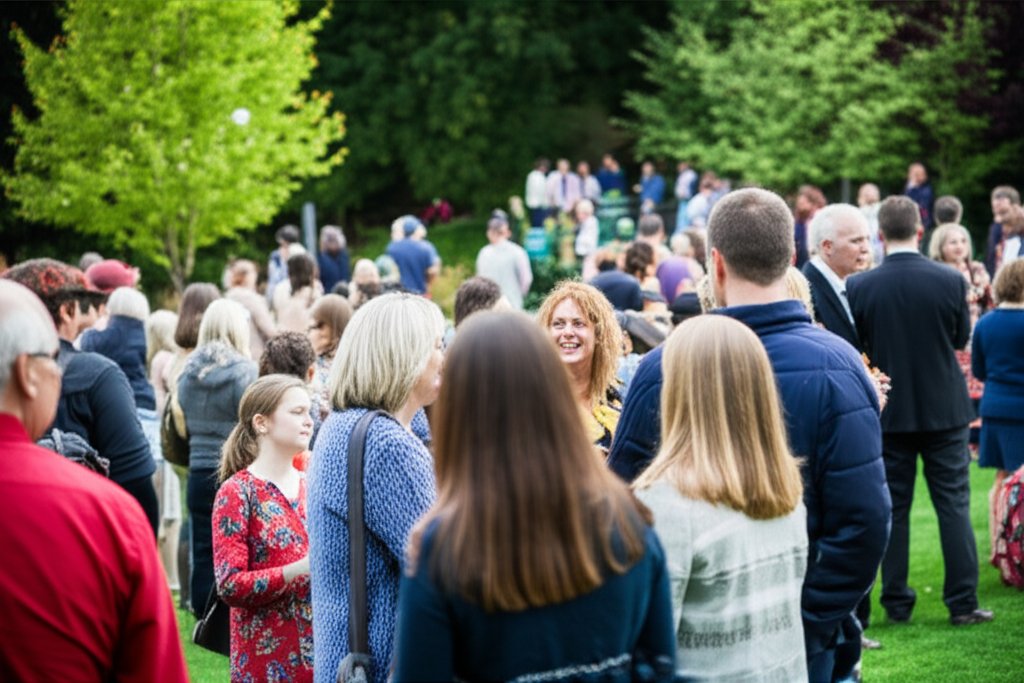
Participants range from retirees to school-aged children, reflecting the program's inclusive approach. Each garden becomes a living classroom, where experienced gardeners mentor newcomers and shared knowledge bridges generational and cultural divides.
Currently, Urban Green Seattle manages six community gardens across different neighborhoods, with plans to expand. Their model emphasizes not just cultivation, but education and community building. Participants learn about native plant species, water conservation techniques, and ecosystem preservation.
The organization's impact extends beyond individual gardens. By creating green spaces in urban environments, they're contributing to broader goals of environmental sustainability, community wellness, and local food resilience.
As Seattle continues to grow and change, initiatives like Urban Green Seattle demonstrate how grassroots efforts can transform urban landscapes, one garden at a time.