
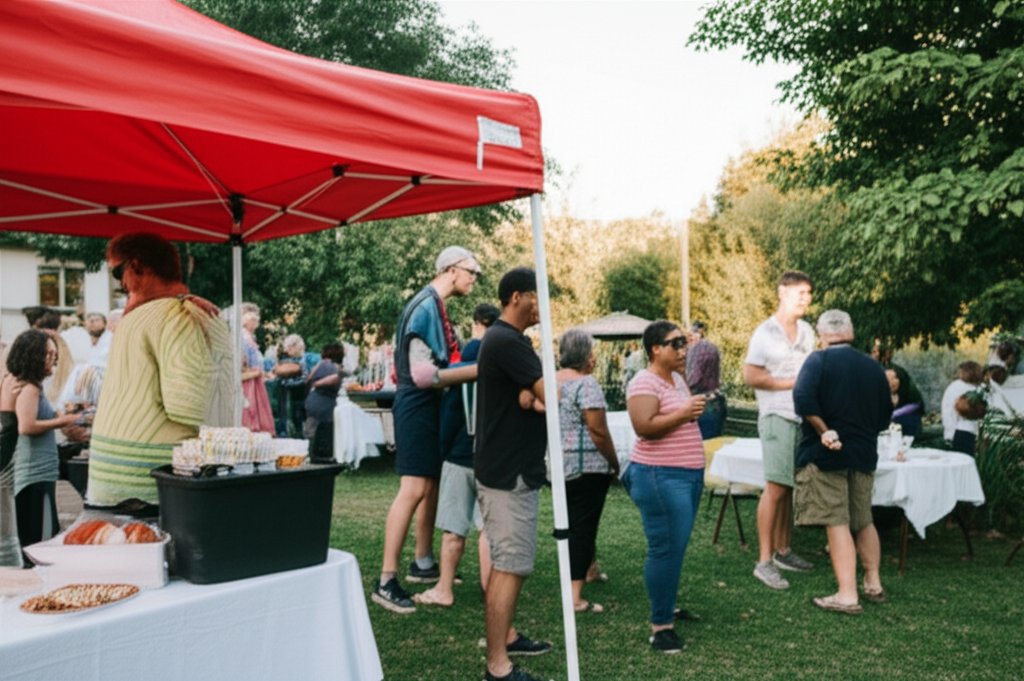
In the heart of Seattle's Central District, the Green Team Collective is proving that community gardens can be powerful platforms for wellness and social connection. This volunteer-driven nonprofit has been quietly transforming vacant lots into thriving green spaces that integrate cannabis-informed wellness practices with sustainable urban agriculture.
Found in 2021 by local community health advocates, the organization focuses on creating accessible garden spaces where residents can learn about holistic health, sustainable gardening, and plant-based wellness. Their current project involves converting three previously unused city lots into productive community gardens that serve multiple neighborhood needs.
"Our goal is more than just growing vegetables," explains Maria Rodriguez, the group's lead coordinator. "We're cultivating community resilience, teaching urban gardening skills, and creating spaces where neighbors can connect and learn together."
The gardens feature designated areas for medicinal and wellness-oriented plants, including hemp varieties known for CBD content and other potentially therapeutic botanical species. Volunteer workshops teach sustainable gardening techniques, nutrition education, and basic plant medicine principles.
Participants range from retirees to college students, reflecting the program's broad community appeal. Each garden includes adaptive spaces designed to be accessible for individuals with varying mobility levels, ensuring inclusivity remains a core principle.
Through partnerships with local nonprofits and community health centers, the Green Team has developed a model that goes beyond traditional urban gardening. They provide free educational resources, host monthly wellness workshops, and create pathways for community members to engage with plant-based health strategies.
As Seattle continues to evolve its approach to community wellness, initiatives like the Green Team demonstrate the transformative potential of collaborative, holistic community spaces. Their work represents a nuanced approach to urban agriculture that prioritizes education, connection, and collective well-being.