
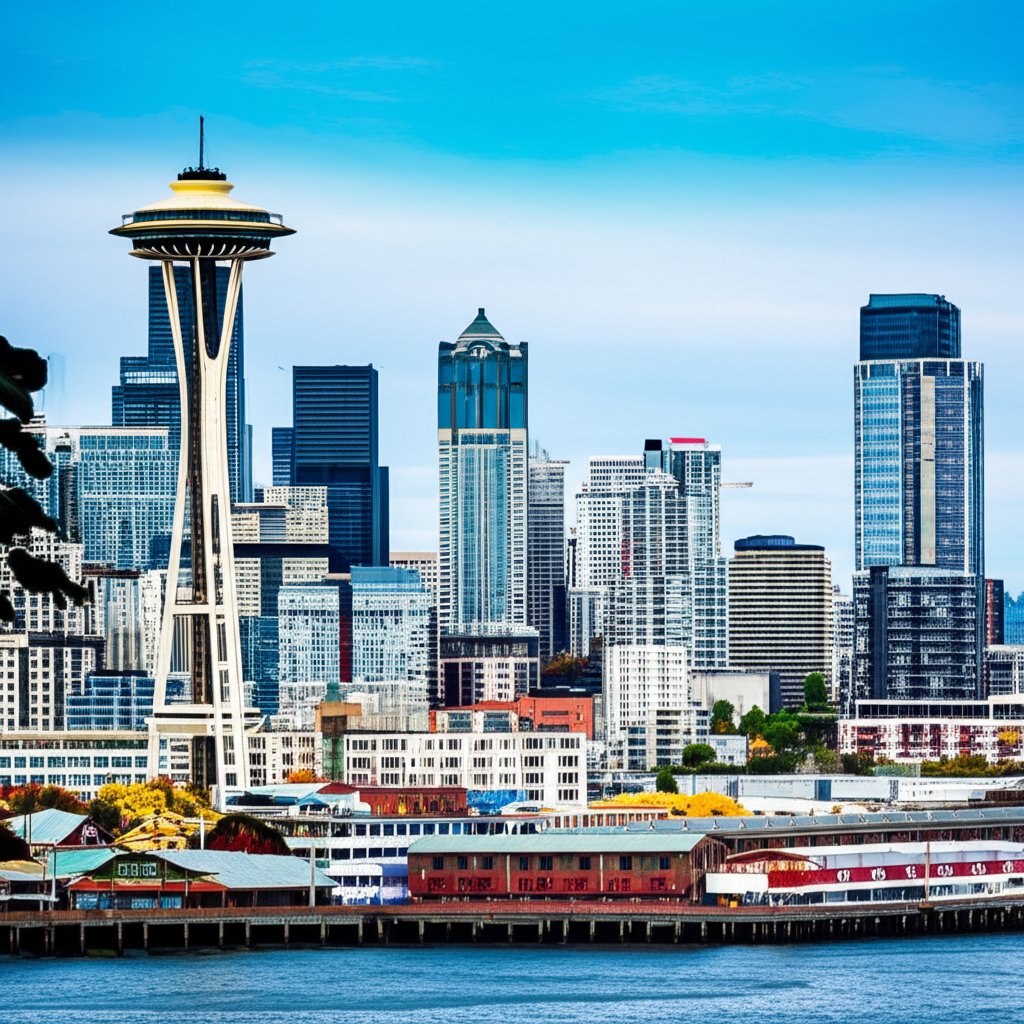
In a remarkable display of community activism, several Seattle neighborhoods are pioneering urban garden projects that blend cannabis wellness principles with sustainable landscape design. These initiatives are transforming underutilized spaces into vibrant, productive community gardens that offer multiple environmental and social benefits.
Neighborhoods like Columbia City and Beacon Hill are leading this green renaissance, where residents are converting vacant lots and unused urban spaces into thriving community gardens. These projects not only beautify urban landscapes but also provide opportunities for local residents to engage in collaborative agricultural activities.
Key to these efforts are partnerships between community organizations, local government, and urban agriculture experts. The City of Seattle's Office of Sustainability and Environment has been supportive of these grassroots initiatives, offering guidance and occasional grant funding for community garden development.
These gardens often incorporate principles of permaculture and regenerative agriculture, creating ecosystems that support local pollinators, improve soil health, and provide fresh produce for neighborhood residents. Some gardens include educational components, offering workshops on sustainable gardening, composting, and holistic wellness practices.
Experts suggest these community gardens represent more than just agricultural spaces—they are powerful tools for building social connection, promoting mental health, and creating resilient urban environments. By bringing neighbors together around shared green spaces, these projects foster a sense of community and collective purpose.
As Seattle continues to grow and develop, these community-driven garden initiatives demonstrate an innovative approach to urban planning that prioritizes human connection, environmental sustainability, and collective wellness.