
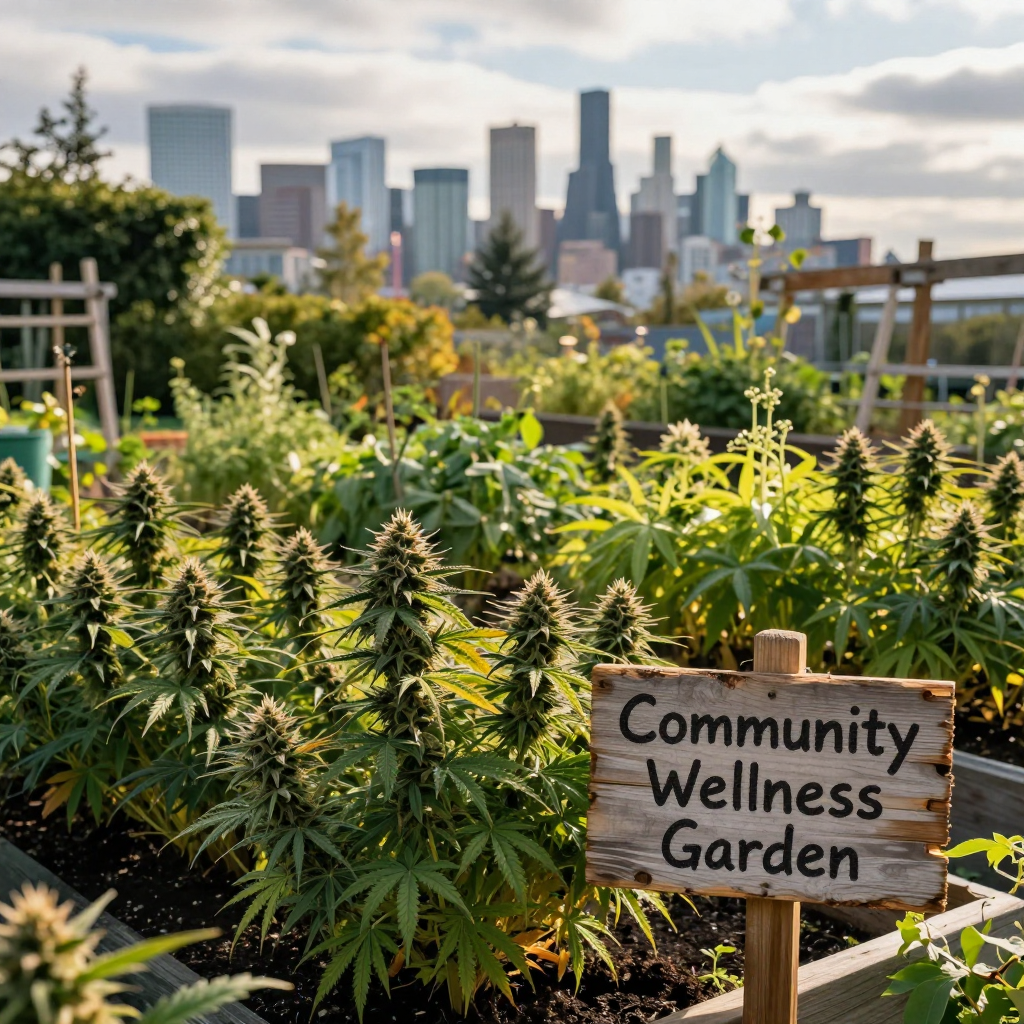
Urban cannabis gardens are taking root across Seattle's diverse neighborhoods, offering a unique blend of community engagement, wellness education, and sustainable agriculture. These innovative green spaces represent more than just cultivation sites—they're becoming crucial community resources that bridge education, health, and environmental stewardship.
In the Central District, the Emerald Community Gardens project has converted a previously unused vacant lot into a thriving cannabis wellness garden. Local residents have collaborated with urban agriculture specialists to design a space that demonstrates responsible cannabis cultivation while providing educational workshops on sustainable growing practices.
Project coordinator Maria Rodriguez explained that these gardens serve multiple community objectives. "We're not just growing plants; we're growing community understanding and connection," she noted. The gardens offer workshops on cannabis wellness, sustainable cultivation techniques, and the medicinal potential of different cannabis strains.
The City of Seattle has been supportive of these community-driven initiatives, recognizing their potential to transform underutilized urban spaces. Urban planning experts suggest such gardens can help reduce urban blight, increase community engagement, and provide green spaces that promote both environmental and social wellness.
These community cannabis gardens also serve an important educational purpose. They provide transparent, responsible demonstrations of cannabis cultivation, helping to destigmatize the plant and showcase its potential beyond recreational use. Workshops cover topics ranging from medical applications to sustainable agriculture techniques.
As Seattle continues to lead in progressive cannabis policy, these community gardens represent an innovative approach to urban agriculture, wellness education, and neighborhood revitalization. By transforming vacant spaces into productive, educational green zones, these projects demonstrate the potential for collaborative, community-driven urban development.
The trend reflects broader shifts in how urban communities are reimagining public spaces—creating environments that are not just functional, but also educational, sustainable, and deeply connected to community wellness.