
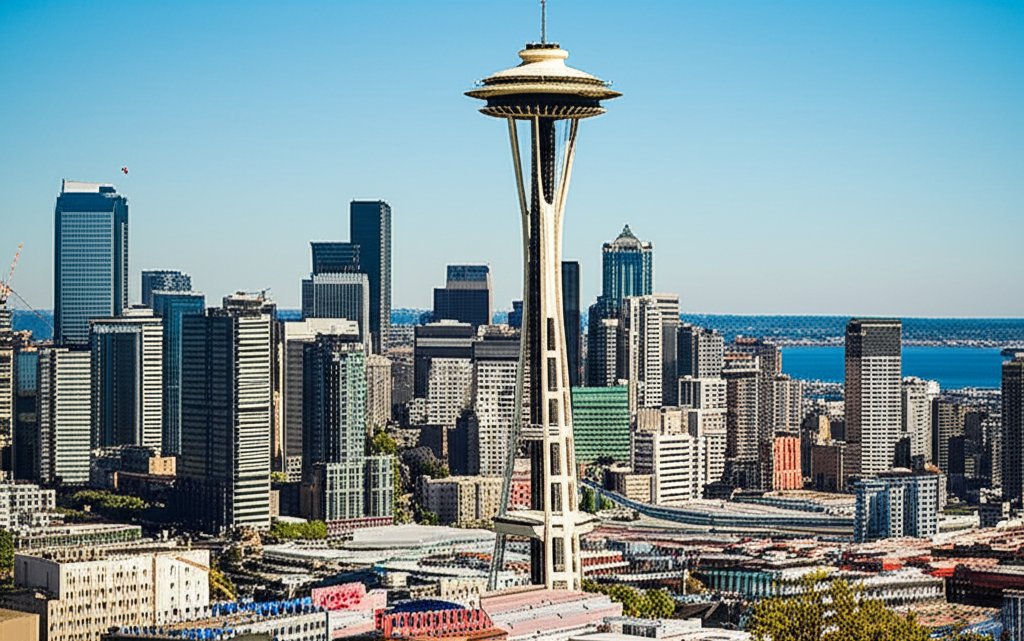
In a growing movement that celebrates community resilience and sustainable urban development, Seattle neighborhoods are witnessing a remarkable transformation of unused spaces into thriving community gardens. Local initiatives are turning vacant lots, residential margins, and underutilized green spaces into productive agricultural zones that foster community connection and promote wellness.
Neighborhoods like Columbia City and Beacon Hill are leading this green revolution, with residents collaborating to create shared gardening spaces that not only produce fresh, local produce but also serve as social gathering points. These urban agriculture projects are providing multiple benefits, including improved food security, enhanced community engagement, and opportunities for environmental education.
Local urban farming nonprofit Green City Collaborative has been instrumental in supporting these neighborhood garden projects, providing resources, workshops, and technical guidance to community groups interested in developing sustainable agricultural spaces. Their programs focus on teaching sustainable gardening techniques, soil management, and collaborative land stewardship.
"Community gardens represent more than just food production," explains Maria Rodriguez, Green City Collaborative's program director. "They're about building connections, promoting wellness, and creating resilient neighborhood ecosystems that benefit everyone."
These gardens are particularly significant in areas with limited access to fresh, affordable produce. By transforming unused urban spaces into productive green zones, residents are addressing food equity challenges while creating beautiful, functional community spaces.
Seattle's urban agriculture movement also aligns with broader environmental sustainability goals. These community-driven projects reduce carbon footprints, support local biodiversity, and provide educational opportunities for residents of all ages to learn about sustainable food systems.
As more neighborhoods embrace this collaborative approach to urban agriculture, Seattle continues to demonstrate how community-driven initiatives can create meaningful, positive change in urban environments.