
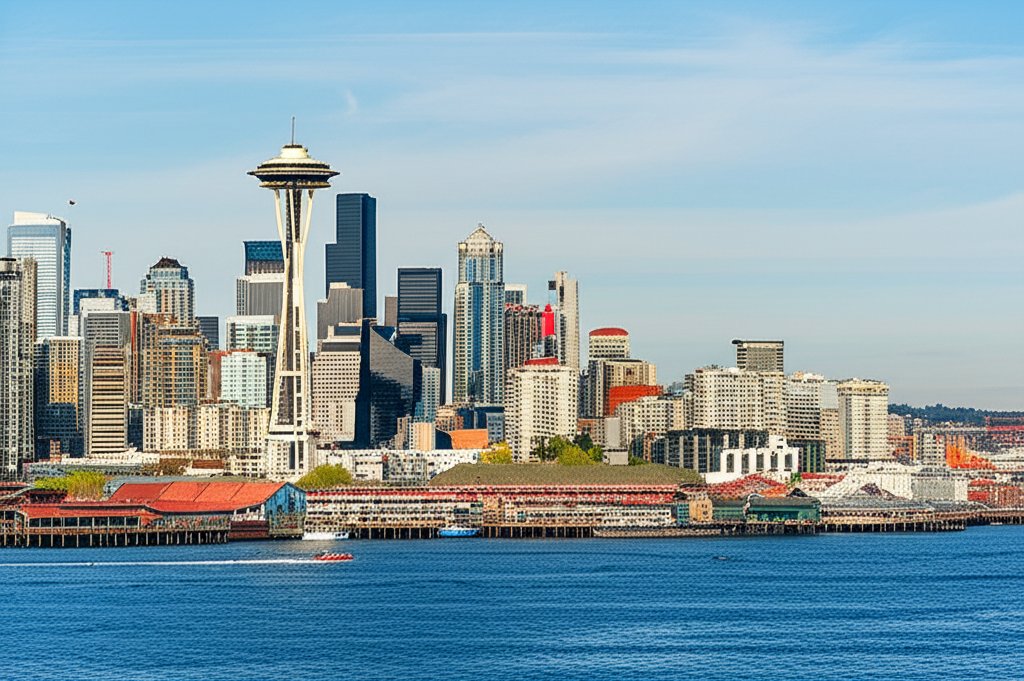
Across Seattle's diverse neighborhoods, innovative urban gardening projects are sprouting up, transforming underutilized spaces into vibrant community gathering spots that promote health, sustainability, and social connection.
In the Central District, the Keystone Community Garden has become a model of collaborative urban agriculture. What was once a vacant lot is now a thriving green space where residents of all ages grow organic vegetables, herbs, and flowers. Garden coordinator Maria Rodriguez explains that the project goes beyond food production: "This garden is about growing community as much as growing produce."
These urban gardens are doing more than just beautifying neighborhoods. They provide critical educational opportunities about sustainable agriculture, nutrition, and environmental stewardship. Local schools have begun incorporating garden programs into their curriculum, allowing students to learn hands-on skills about plant cultivation and ecosystem management.
The City of Seattle has been supportive of these initiatives, offering grants and resources to community groups interested in developing green spaces. The Parks and Recreation Department has developed a streamlined process for community groups to transform unused public lands into productive gardens.
Experts suggest that urban gardens like these can have multiple positive impacts. They reduce urban heat island effects, provide fresh produce in areas with limited access to healthy foods, and create spaces for community interaction and mental wellness.
As Seattle continues to grow and evolve, these community-driven green spaces represent a powerful model of sustainable urban development. They demonstrate how collaborative efforts can transform city landscapes, promote wellness, and strengthen neighborhood bonds.