
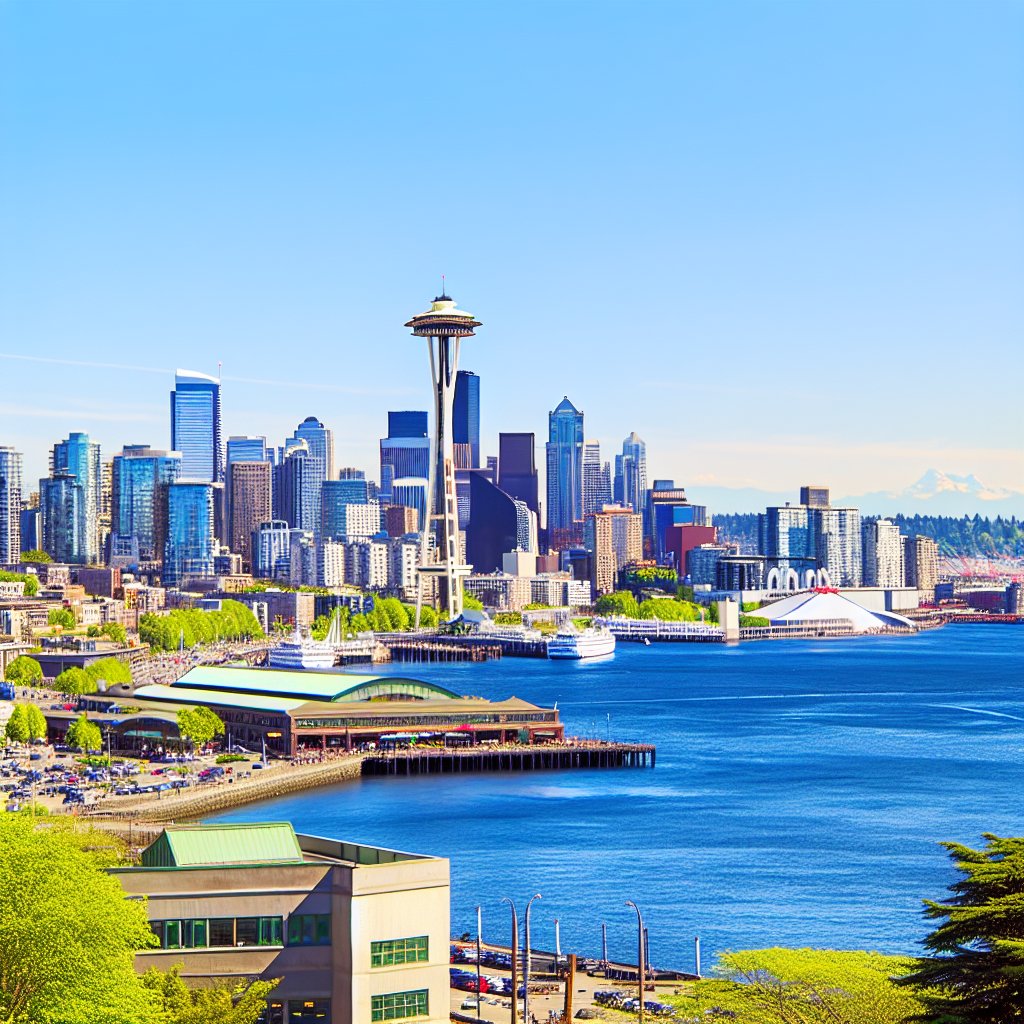
Seattle's Capitol Hill neighborhood is experiencing a green revolution as local residents and urban agriculture advocates launch an innovative community garden project designed to transform underutilized urban spaces into productive, sustainable landscapes.
The initiative, spearheaded by the Capitol Hill Community Gardens Network, focuses on converting vacant lots and unused urban areas into thriving garden spaces that provide fresh produce, educational opportunities, and community connection. By partnering with local property owners and the city's urban planning department, the project aims to create accessible green spaces that benefit neighborhood residents.
'Our goal is to demonstrate how urban spaces can be reimagined as productive ecological zones,' says Maria Rodriguez, lead coordinator of the project. 'These gardens aren't just about growing food—they're about building community resilience and creating shared experiences.'
The project will initially develop three pilot garden sites across the neighborhood, each designed with sustainability and accessibility in mind. These spaces will include raised garden beds, native plant sections, and areas for community workshops on urban agriculture techniques. Local schools and wellness organizations have already expressed interest in participating in educational programs associated with the gardens.
Specifically targeted will be lots that have remained unused or underdeveloped, transforming potential urban blight into vibrant green spaces. Each garden will incorporate water-efficient irrigation systems and will prioritize organic, low-impact gardening methods.
The initiative represents a broader trend in Seattle toward community-driven urban development that prioritizes environmental sustainability, local food production, and neighborhood connectivity. By creating these shared green spaces, the Capitol Hill Community Gardens Network hopes to inspire similar projects throughout the city.
Funding for the project comes from a combination of community donations, local grants, and partnerships with sustainability-focused organizations. The first garden sites are expected to be operational by early summer, offering residents an opportunity to engage directly in urban agriculture and community building.