
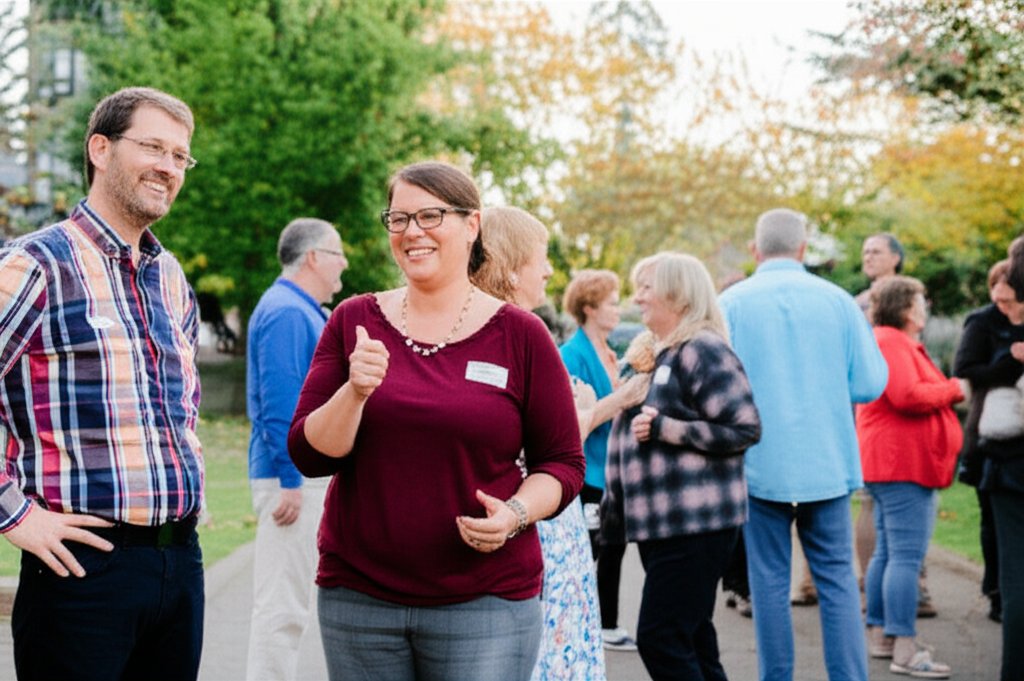
In a testament to Seattle's collaborative spirit, Green City Growers continues to demonstrate how urban agriculture can unite communities and promote sustainable living. The nonprofit has been systematically converting vacant lots and underutilized urban spaces into productive community gardens across Seattle's diverse neighborhoods.
Founder Maria Rodriguez explains that their mission goes beyond growing vegetables. 'These gardens are about growing relationships and resilience,' she notes. 'When neighbors work together to nurture something, they naturally develop stronger connections.'
Their current initiative focuses on the Central District and Columbia City, where volunteers from varied backgrounds collaborate to transform previously neglected spaces. Each garden site not only produces fresh, locally grown produce but also serves as an educational platform about sustainable agriculture and community wellness.
Volunteers like James Chen, a local software engineer, find profound meaning in these collaborative efforts. 'Spending a few hours working alongside neighbors, learning about urban farming techniques, and contributing to something larger than ourselves is incredibly rewarding,' Chen shared.
The organization partners with local schools, community centers, and social service agencies to identify potential garden sites and recruit volunteers. They provide training, tools, and ongoing support to ensure each community garden becomes a sustainable, thriving ecosystem.
Green City Growers' approach represents a holistic model of community development. By focusing on accessible, collaborative urban agriculture, they're demonstrating how small, intentional actions can create meaningful positive change in urban environments.
As Seattle continues to grow and evolve, initiatives like these highlight the city's commitment to innovative, community-centered solutions that promote wellness, sustainability, and social connection.