
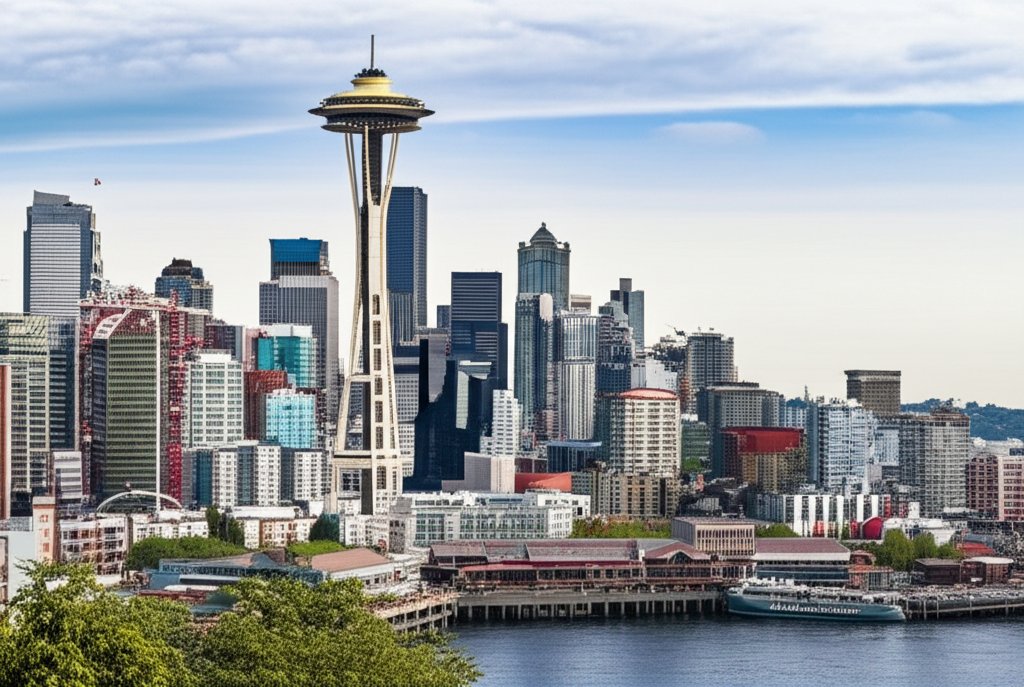
Urban agriculture has taken root across Seattle's diverse neighborhoods, with community gardens emerging as powerful platforms for sustainable living and social connection. From West Seattle to the Central District, residents are transforming vacant lots, unused spaces, and residential areas into productive green spaces that nourish both body and community.
The City of Seattle's P-Patch Community Gardening Program has been instrumental in supporting these grassroots efforts. With over 90 community gardens throughout the city, these spaces provide affordable, locally-grown produce while creating opportunities for neighborhood engagement and skill-sharing.
Neighborhood leaders like Maria Sanchez from the Columbia City Garden Collective highlight the broader impact of these initiatives. 'These gardens are about more than growing vegetables,' Sanchez explains. 'They're about growing relationships, teaching sustainable practices, and creating resilient community spaces.'
Local organizations are also supporting these efforts through educational workshops, seed-sharing programs, and collaborative planting events. The Urban Garden Education Network, for instance, offers free classes on composting, organic gardening techniques, and sustainable agriculture practices.
Environmental experts suggest these community gardens play a crucial role in urban sustainability. They help reduce carbon footprints, improve local food security, and provide green spaces that support urban biodiversity. Additionally, they offer mental health benefits, providing residents with opportunities for outdoor activity, stress reduction, and meaningful community interaction.
As Seattle continues to grow and evolve, these community gardens represent a hopeful, collaborative approach to urban development—one that prioritizes environmental stewardship, community connection, and accessible, healthy living.