
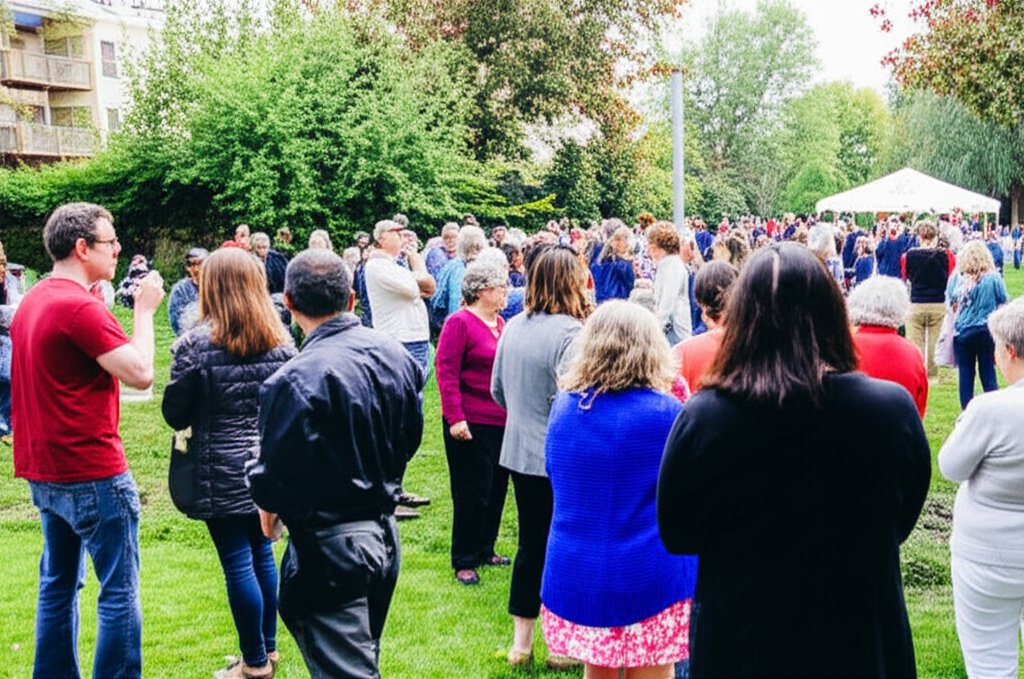
In a vibrant display of community collaboration, cannabis wellness professionals and local gardening enthusiasts are reimagining urban green spaces across Seattle's neighborhoods. The emerging network of volunteers has been transforming vacant lots and underutilized community spaces into thriving gardens that serve multiple social purposes.
The initiative, which connects cannabis industry professionals with neighborhood improvement projects, focuses on creating sustainable, educational garden spaces that provide fresh produce and environmental benefits. These volunteer-driven projects not only beautify urban landscapes but also create opportunities for community engagement and skill-sharing.
Experts in cannabis wellness have been particularly instrumental in these efforts, bringing horticultural knowledge and holistic perspectives to community gardening. By integrating principles of regenerative agriculture and wellness-focused cultivation techniques, these volunteers are demonstrating how cannabis-adjacent professionals can make meaningful contributions to local sustainability.
Neighborhood coordinators report that these gardens have become gathering spaces that transcend traditional community boundaries. Participants range from retired professionals to young cannabis industry workers, creating intergenerational connections through shared agricultural work.
'These gardens represent more than just growing vegetables,' says Sarah Martinez, a local urban agriculture coordinator. 'They're about growing community connections and demonstrating how collaborative efforts can create tangible positive change.'
The projects have garnered support from local businesses and nonprofit organizations, who see these initiatives as innovative approaches to community development. Future plans include expanding educational workshops, developing more community garden sites, and creating networking opportunities for volunteers.
As Seattle continues to lead in progressive community wellness approaches, these cannabis-friendly gardening initiatives showcase the potential for purpose-driven, collaborative urban development.