
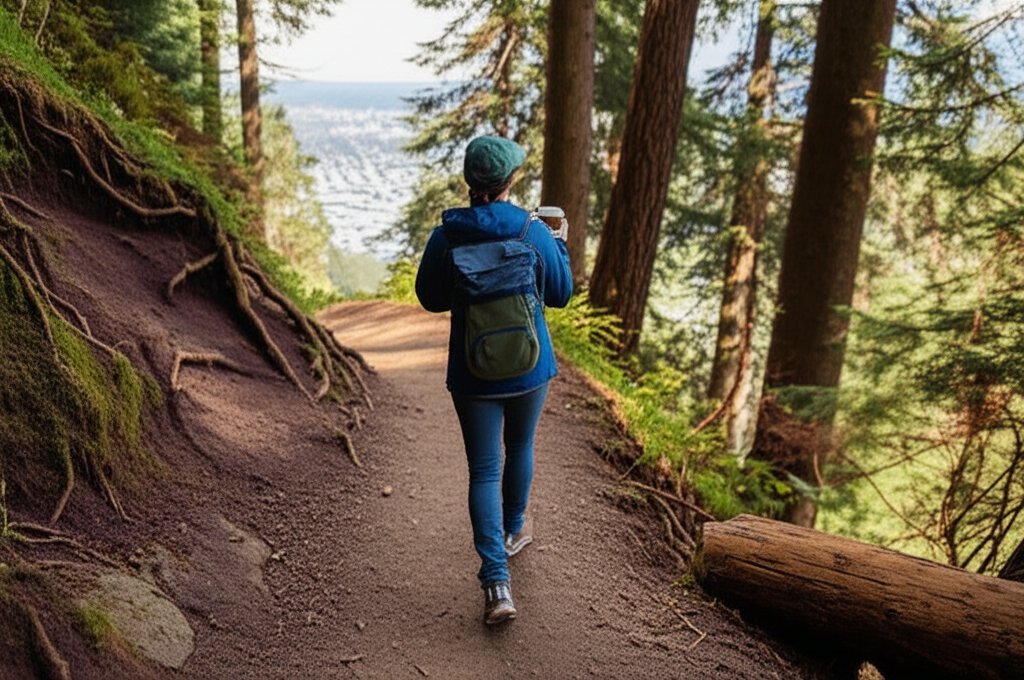
Forest bathing, or shinrin-yoku, has emerged as a powerful wellness practice in the Pacific Northwest, offering urban dwellers a therapeutic escape into nature's healing environment. Originating in Japan during the 1980s, this mindful approach to experiencing woodland settings has found a particularly receptive audience in Washington State's diverse forest ecosystems.
Local wellness experts suggest that intentional forest immersion can provide significant health benefits, including reduced stress, improved immune function, and enhanced mental clarity. The practice involves slow, deliberate movement through forested areas, engaging all senses and cultivating a deep, meditative connection with the natural environment.
Seattle-area parks and nearby wilderness areas like Mount Rainier National Park and Olympic National Forest offer exceptional opportunities for forest bathing. Practitioners recommend spending between 2-4 hours in natural settings, focusing on breathing, sensory awareness, and gentle movement.
Community wellness groups and outdoor organizations have begun offering guided forest bathing experiences, helping participants learn techniques for maximizing the therapeutic potential of these nature encounters. Some local cannabis wellness centers have even integrated forest bathing concepts with mindful cannabis consumption, exploring how plant-based wellness can complement nature immersion.
Research continues to validate the physiological and psychological benefits of regular forest exposure. Preliminary studies indicate that time spent in forest environments can lower cortisol levels, reduce blood pressure, and improve overall emotional well-being.
As urban stress continues to challenge modern lifestyles, forest bathing represents a promising, accessible approach to holistic wellness that leverages the Pacific Northwest's extraordinary natural landscapes.